Category: Bollywood Movies
-

The Vvaan to MahaKali – Upcoming Indian Mythologyical films
Indian cinema is stepping into a new era of mythological storytelling with two exciting upcoming films: The Vvaan to MahaKali. While The Vvaan (releasing September 25, 2026) dives into folklore and forest spirits with Sidharth Malhotra and Tamannaah Bhatia, MahaKali (January 8, 2027) explores dark mythology and the battle between dharma and adharma in the…
-
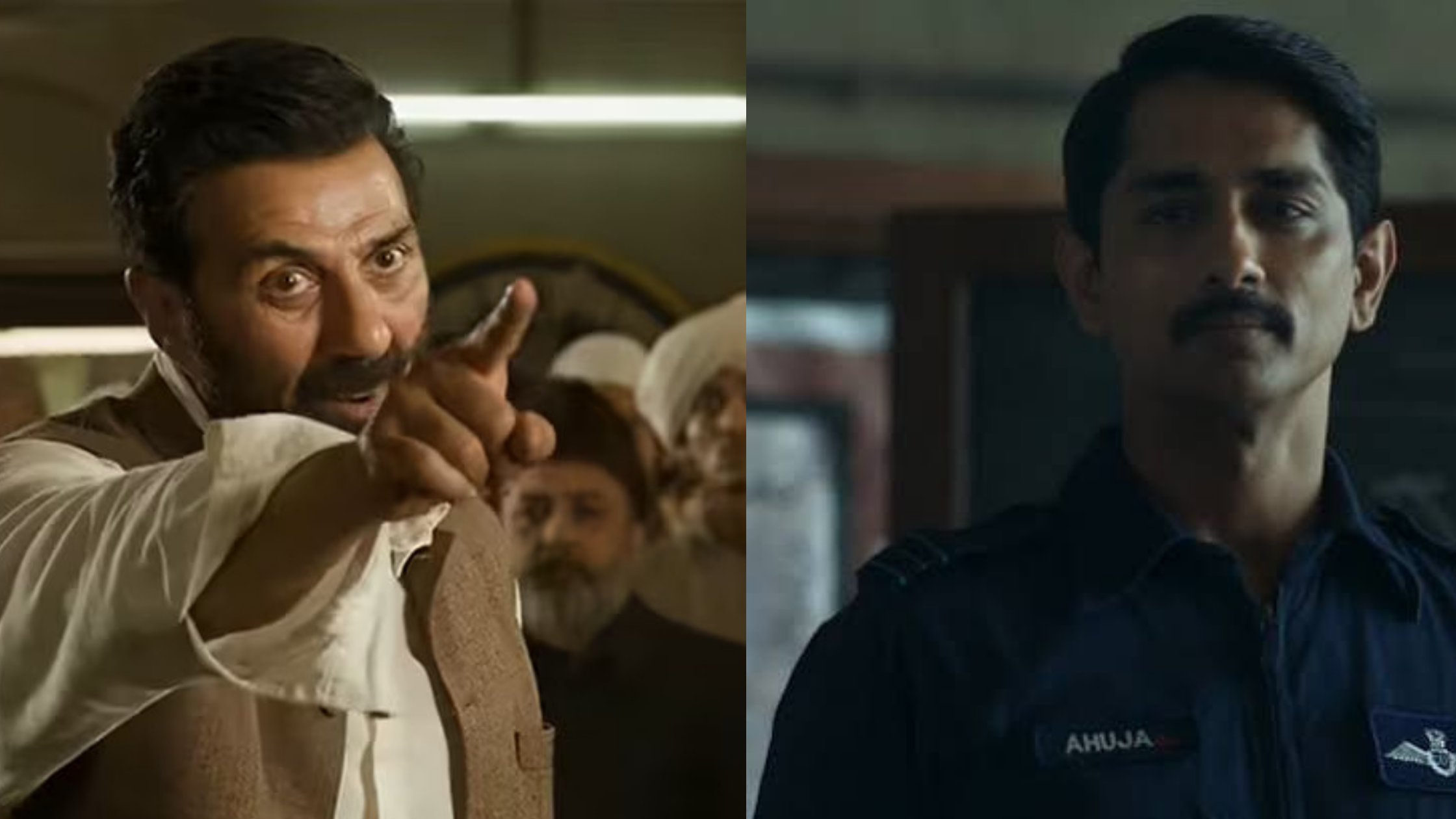
Independence Day 2026 – Batwara 1947 to Operation Safed Sagar
India’s Independence Day 2026 is not just a celebration of freedom—it is a reminder of the sacrifices, struggles and turning points that shaped the nation. From the painful memories of Batwara (Partition) in 1947 to the courage displayed during Operation Safed Sagar in the 1999 Kargil War, India’s journey reflects resilience, unity and patriotism. On…
-
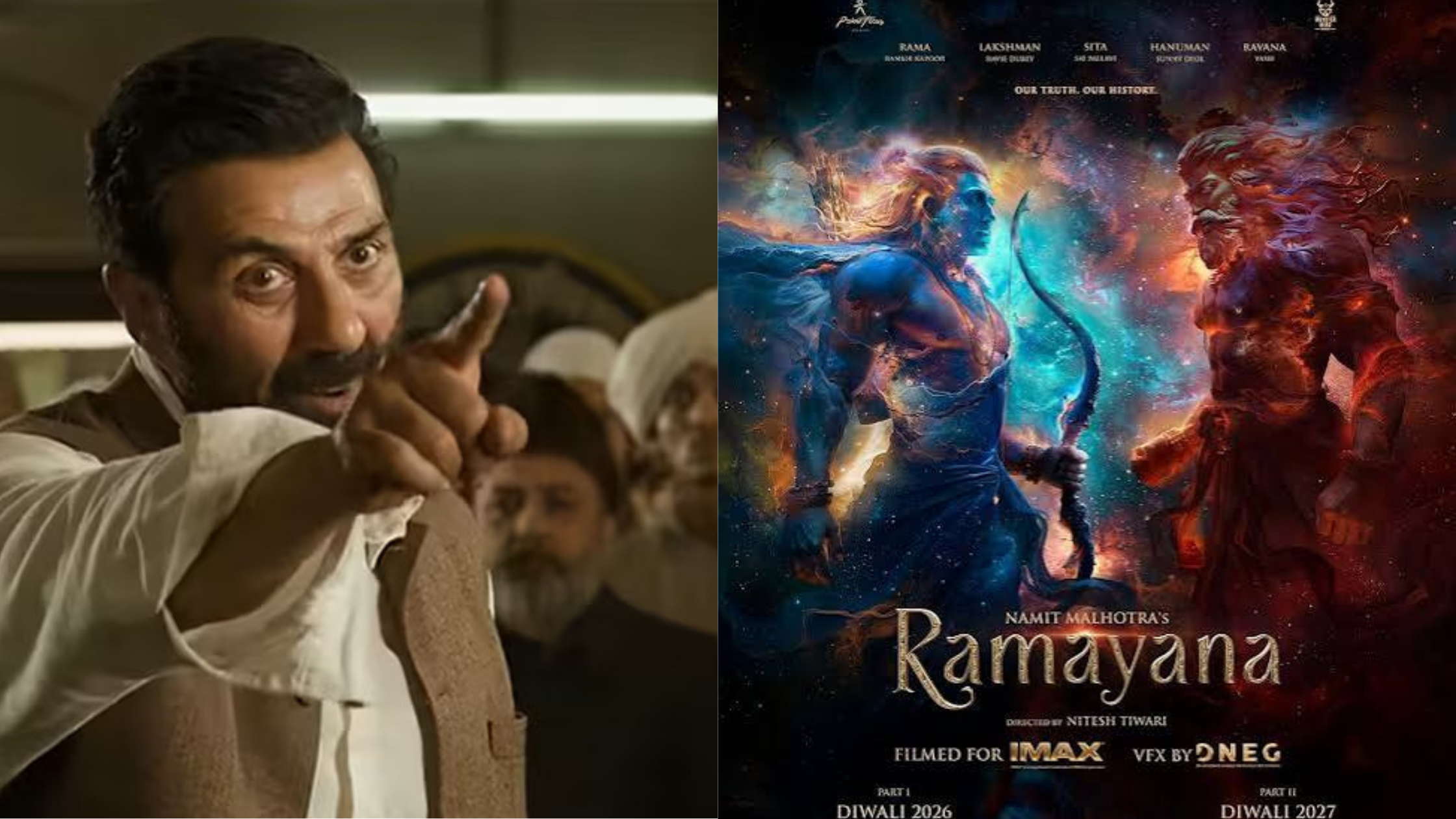
Batwara 1947 to Ramayana: Anticipated Indian movies of 2026
From the emotional backdrop of Partition in Batwara 1947 to the grand mythological world of Ramayana, Indian cinema is gearing up for an exciting lineup of highly anticipated movies in 2026. The year promises a diverse mix of powerful drama, intense action, fantasy and romance, with films like Toxic, Awarapan 2 and TheVvaan also adding…
-
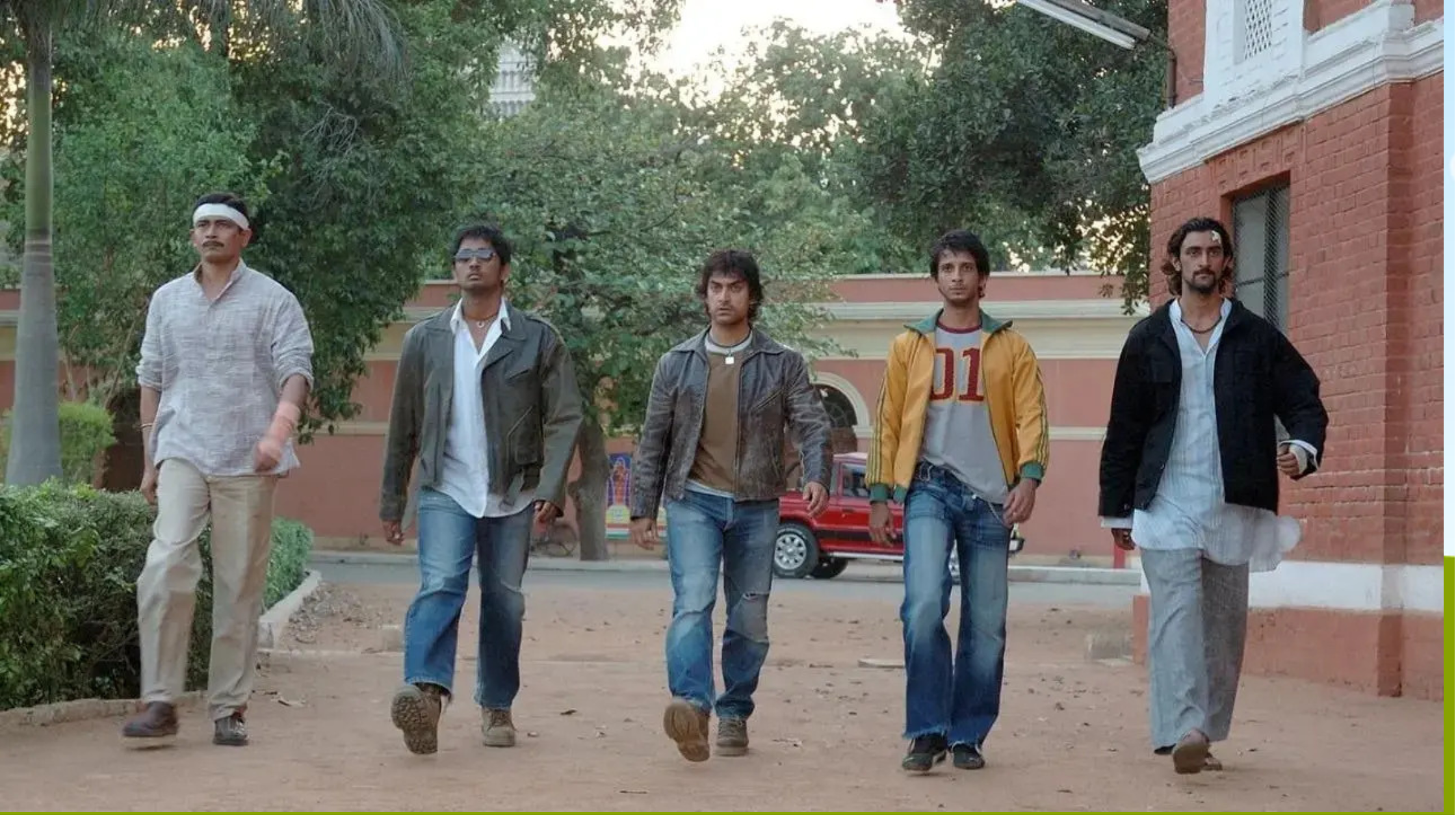
Indian Films Show Protest: From Rang De Basanti to Yuva
Indian films show Protest : Indian cinema has long reflected the country’s social and political realities. While many films entertain audiences with romance, comedy, or action, some inspire viewers to question authority, demand justice, and raise their voices against injustice. Protest has been a recurring theme in Indian films, highlighting the power of ordinary citizens…
-

Ikka movie – Courtroom drama with emotional scenes
Ikka movie delivers a compelling courtroom drama that blends legal battles with deeply emotional storytelling. The film explores themes of justice, truth, family, and resilience, keeping viewers engaged through powerful performances and gripping courtroom confrontations. Rather than relying solely on dramatic twists, Ikka balances intense legal arguments with heartfelt moments that add emotional depth to…
-

Ikka – Spider Man 4: Upcoming movies in July 2026
Ikka – Spider Man 4 – July 2026 is shaping up to be an exciting month for movie lovers, with a mix of action, drama, and superhero entertainment. From the much-awaited Ikka to the return of everyone’s favorite web-slinger in Spider-Man 4: Brand New Day, audiences have plenty to look forward to. Whether you enjoy…
-
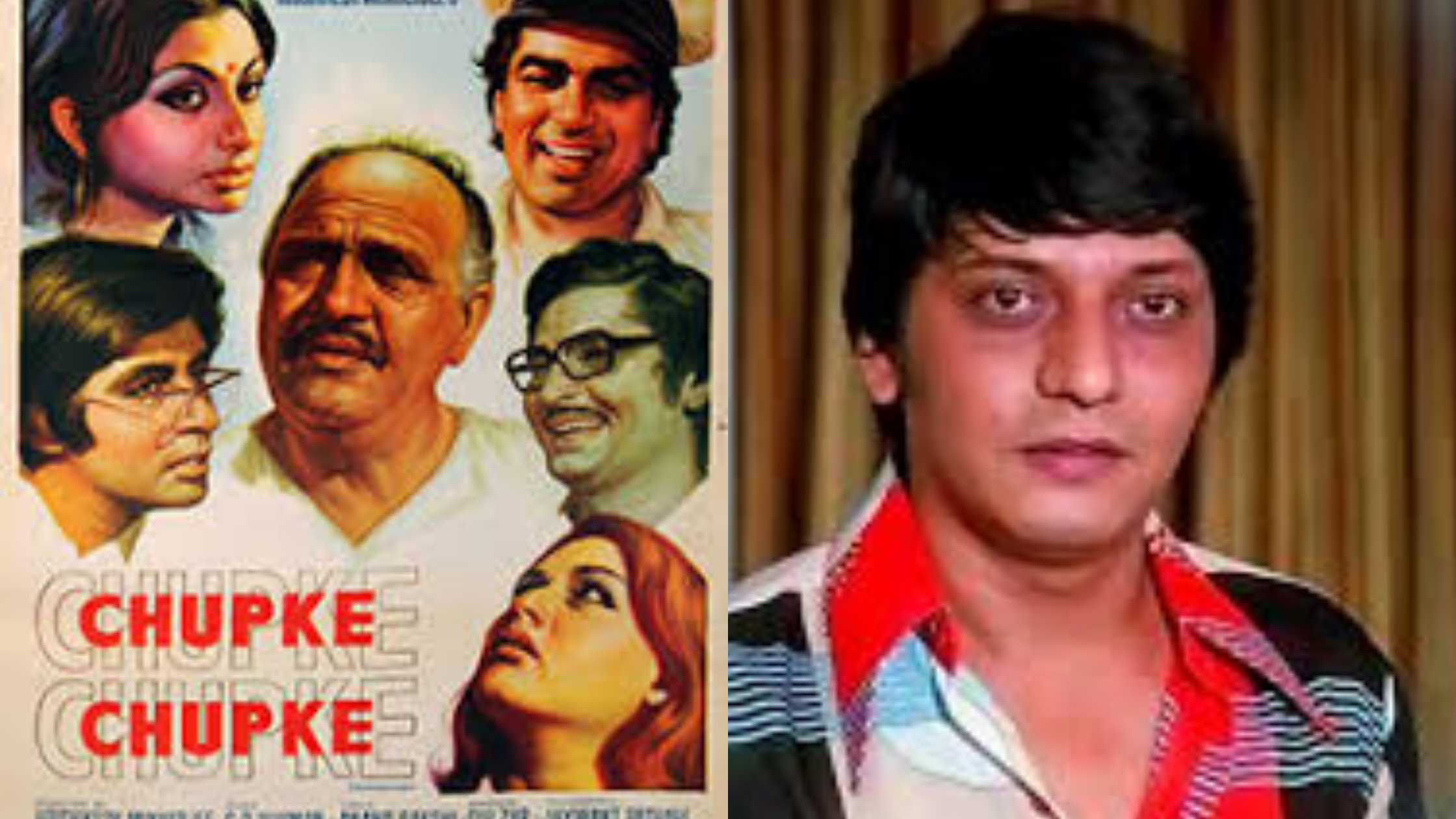
Feel good bollywood movies to watch
Feel good bollywood movies: Feelin’ low? Bollywood’s feel-good movies are the perfect stress buster—vibrant, heartwarming, and packed with music that lifts your spirits. From lighthearted rom-coms to inspiring family dramas, these films wrap relatable emotions in colour, humour, and memorable songs that make you smile, dance, and sometimes shed a happy tear. Whether you…
-
Bhoot Bangla to Lee Cronin’s The Mummy
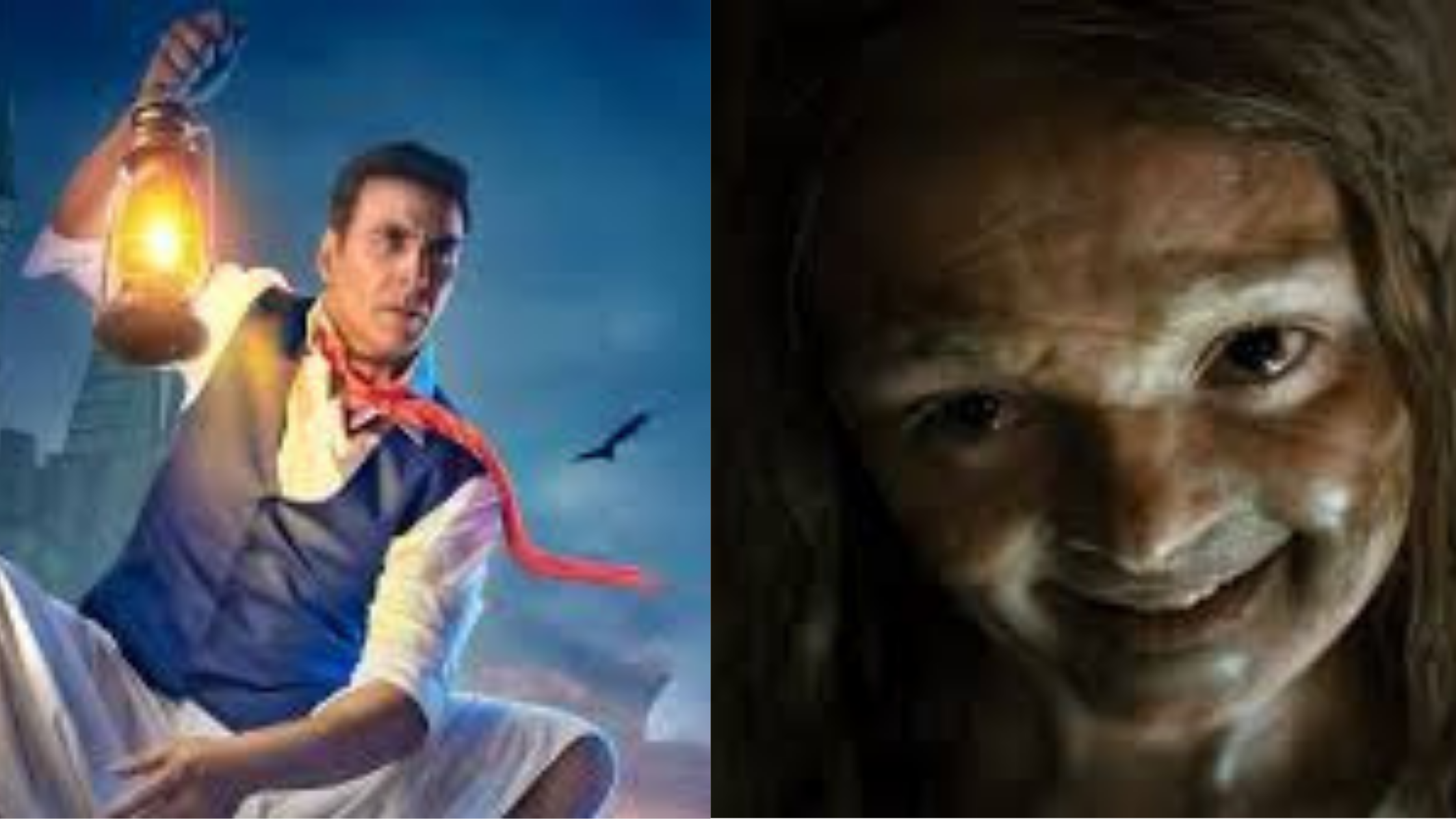
Bhoot Bangla to Lee Cronin’s The Mummy – From the spooky charm of Bhoot Bangla to the thrilling vision of Lee Cronin’s The Mummy, horror cinema continues to evolve while keeping audiences hooked. These stories mix fear, mystery, and entertainment in unique ways, showing how different generations interpret the supernatural. While older films focus on…
-

Dhurandhar 2 movie : Films based on real events impactful?
Dhurandhar 2 movie is one of the most awaited films that is said to be inspired by real events. Movies based on true stories often create a strong impact on the audience because they feel more real and relatable. They show us the struggles, bravery, and emotions of people in situations that actually happened. Such…
-
Dhurandhar The Revenge Review: Perfect Sequel
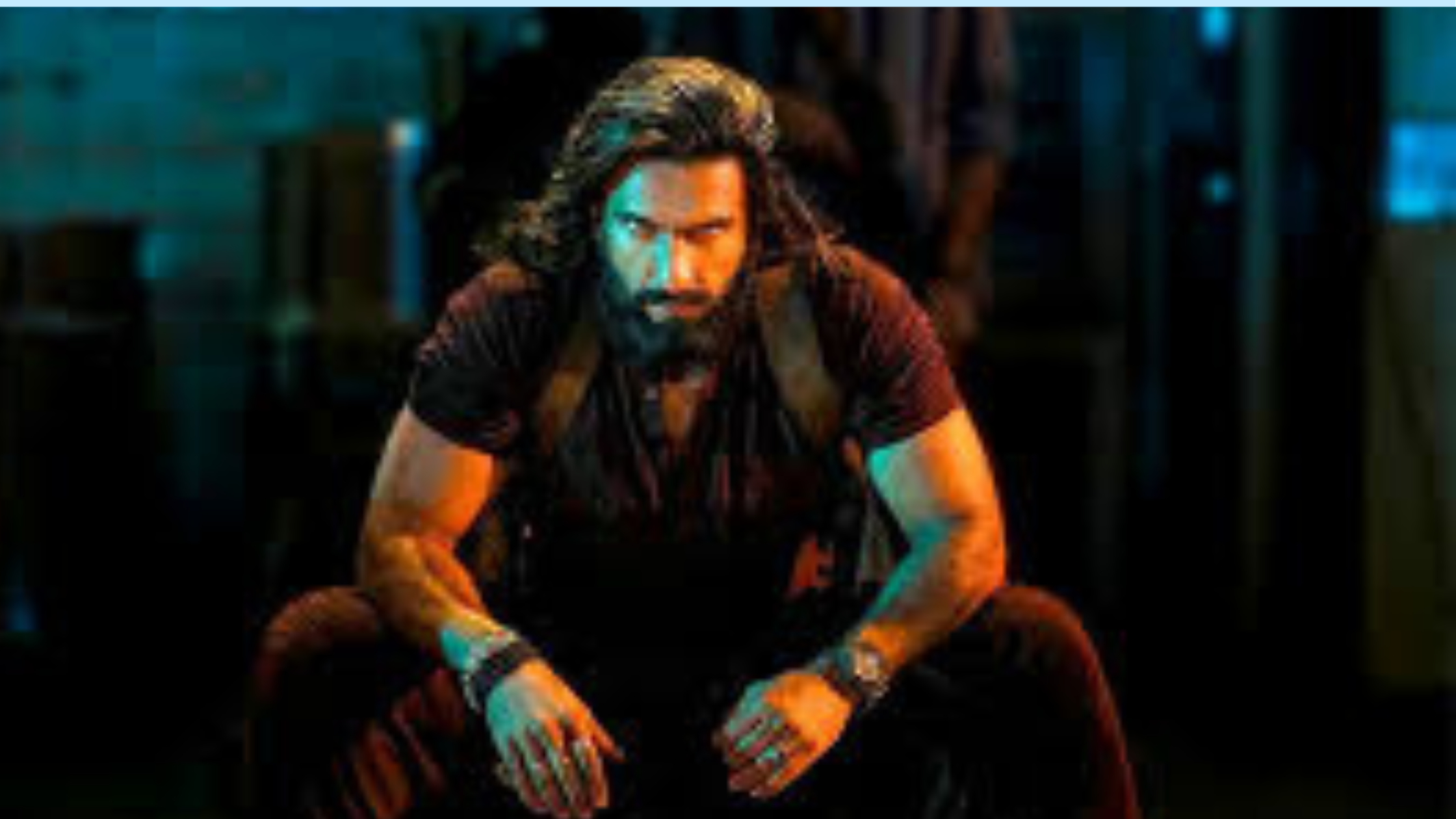
Dhurandhar: The Revenge arrives as a powerful follow-up that truly lives up to the expectations set by its predecessor. Packed with high-octane action, gripping storytelling, and emotionally driven performances, the film elevates the franchise to a whole new level. The narrative feels tighter, the stakes are higher, and every scene adds depth to the protagonist’s…